Table of Contents
TogglePests don’t knock before they enter, they slip through gaps smaller than a pencil. Whether it’s rodents, insects, or spiders, they’re opportunists looking for the easiest route into your home. The good news is that sealing entry points is one of the most effective pest control strategies a homeowner can tackle, and you don’t need a contractor to do it. With basic materials and a few hours of work, you can eliminate most of the pathways pests use to invade. This guide walks you through identifying vulnerable spots and sealing them properly so you can stop pests before they get inside.
Key Takeaways
- Home sealing for pest control creates a physical barrier that stops rodents and insects before they enter, making prevention far more effective and affordable than treating infestations after they occur.
- Rodents can squeeze through gaps as small as a dime (0.25 inches), so inspect and seal vulnerable entry points around doors, windows, foundation cracks, and utility penetrations with the right materials.
- Use latex caulk for small gaps under 1/2 inch, expanding spray foam for larger voids, and 1/4-inch hardware cloth for vents and openings—standard materials like window screen won’t stop rodents from chewing through.
- A systematic sealing process starting with doors and foundations (highest pest entry points), followed by windows, vents, and roof penetrations, can be completed in a weekend and also improves energy efficiency.
- Trim vegetation at least 2 feet from your home’s exterior and ensure all roof vents, dryer vents, and soffit screens are intact, as damaged or missing screens are common entry points pest control experts often overlook.
Why Home Sealing Is Your First Line Of Defense Against Pests
Pest control often means thinking traps, baits, and sprays, but sealing is the preventative work that stops infestations before they start. Once a mouse or cockroach gets inside, removing it becomes exponentially harder and more expensive. A sealed home is simply a harder target.
Most common household pests, mice, rats, cockroaches, ants, and spiders, enter through small cracks and gaps around doors, windows, pipes, and foundations. Rodents can squeeze through openings as small as a dime (about 0.25 inches), while insects need even less space. By sealing these entry points, you’re not relying on luck or constant treatment cycles: you’re creating a physical barrier. This approach aligns with integrated pest management (IPM), which prioritizes prevention over chemical dependency.
The added benefit is that a well-sealed home is more energy-efficient. You’re stopping air leaks that waste heating and cooling, which means lower utility bills. Sealing pays for itself quickly through reduced energy costs alone, even before you factor in pest prevention.
Common Entry Points Pests Use To Invade Your Home
Most homes have dozens of potential entry points. Pests follow air currents and hunt for cracks methodically, so missing even one can let them in. Here are the most common vulnerable spots homeowners overlook.
Gaps Around Doors, Windows, And Foundation Cracks
The space between a door frame and the wall is a highway for pests. Even a 1/8-inch gap is enough for insects and rodents. Check the bottom of exterior doors first, this is where mice commonly enter. Look closely at the weather stripping: if it’s compressed, cracked, or peeling, it’s failing.
Windows are another prime target, especially older ones with single-pane frames or loose sashes. Run your hand around the interior perimeter of window frames to feel for air leaks: if you feel a draft, so can pests.
Foundation cracks deserve serious attention. Walk your home’s exterior perimeter and inspect the foundation with a flashlight. Horizontal cracks wider than 1/4 inch or any vertical cracks that run upward can allow rodent entry. Concrete typically shrinks and cracks over time: don’t assume a small crack is permanent or harmless. According to methods to seal entry points, foundation cracks are one of the most overlooked pest entry routes.
Utility Openings And Roof Vents
Wherever pipes, cables, or wires penetrate your exterior walls, there’s a gap. Plumbing lines, electrical conduit, and gas lines often have sloppy openings filled with foam or left bare. Rodents can chew through foam, so a sealed hole is vulnerable within months.
Roof vents, for bathroom exhaust, kitchen range hoods, and attic ventilation, are designed to let air out, but they can let pests in if screens are damaged or missing. Check that all vents have intact 1/4-inch or smaller wire mesh screens (also called hardware cloth). Soffit and gable vents are equally important: inspect them during daylight from the ground or a ladder to confirm screens are present and undamaged.
Dryer vents are frequently overlooked. The flapper door on these vents can fail, allowing rodents and insects direct access. If your dryer vent doesn’t close tightly or is missing the flapper, seal it immediately.
Essential Sealing Materials And Tools You’ll Need
Choosing the right material matters. Not all sealants perform equally against pests or weather, and using the wrong one wastes time and money.
Caulk: Latex or acrylic caulk works for small gaps (under 1/2 inch) around windows and doors. It’s paintable, flexible, and easy to apply. Polyurethane caulk is more durable and weather-resistant but harder to smooth and clean. For anything larger than 1/2 inch, caulk alone won’t hold.
Spray Foam: Expanding foam fills larger gaps and voids around pipes, wires, and utility penetrations. It’s effective and quick, but use it only indoors or in protected areas, UV light degrades it. Always trim excess foam flush after it cures (follow the product’s cure time: most need 8–12 hours). Some foams can be difficult to remove if you over-apply, so spray conservatively.
Hardware Cloth and Wire Mesh: Use 1/4-inch hardware cloth (galvanized steel mesh) to reinforce vents, exhaust pipes, and larger openings. This is rodent-proof, mice cannot chew through it. Standard window screen material (aluminum mesh) is not sufficient: rodents can gnaw through it.
Weather Stripping: Adhesive-backed or spring-loaded weather stripping seals gaps at doors and windows. Measure the perimeter before buying. Most comes in rolls of 10–17 feet.
Tools You’ll Need:
- Utility knife or box cutter
- Caulking gun
- Ladder (6–8 feet for soffit and roof vent inspection)
- Flashlight
- Measuring tape
- Screwdriver (for replacing damaged vent covers)
- Work gloves and safety glasses
- Clean rags or paper towels (for removing loose debris before sealing)
PPE is simple but essential: wear safety glasses when working overhead and gloves when handling wire mesh or sharp materials. No special mask is needed unless you’re applying large amounts of spray foam in an enclosed space: good ventilation usually suffices.
Step-By-Step Sealing Process For Maximum Protection
A methodical approach ensures you don’t miss spots. Work systematically around your home’s exterior, tackling one side at a time.
1. Inspect and Document
Walk your entire exterior perimeter on a sunny day with a flashlight. Mark gaps, cracks, and openings with chalk or tape. Take photos if you want a reference when buying materials. This takes 30 minutes but prevents multiple trips to the hardware store.
2. Clean Entry Points
Remove loose debris, old caulk, and paint around gaps before sealing. Use a utility knife to scrape away dried caulk or foam. Brush out dust and dirt with a stiff brush or old toothbrush. Clean surfaces are critical, new caulk won’t adhere well to dirt or loose material. Wipe with a damp rag and let dry completely before proceeding.
3. Seal Small Gaps (Under 1/2 Inch) With Caulk
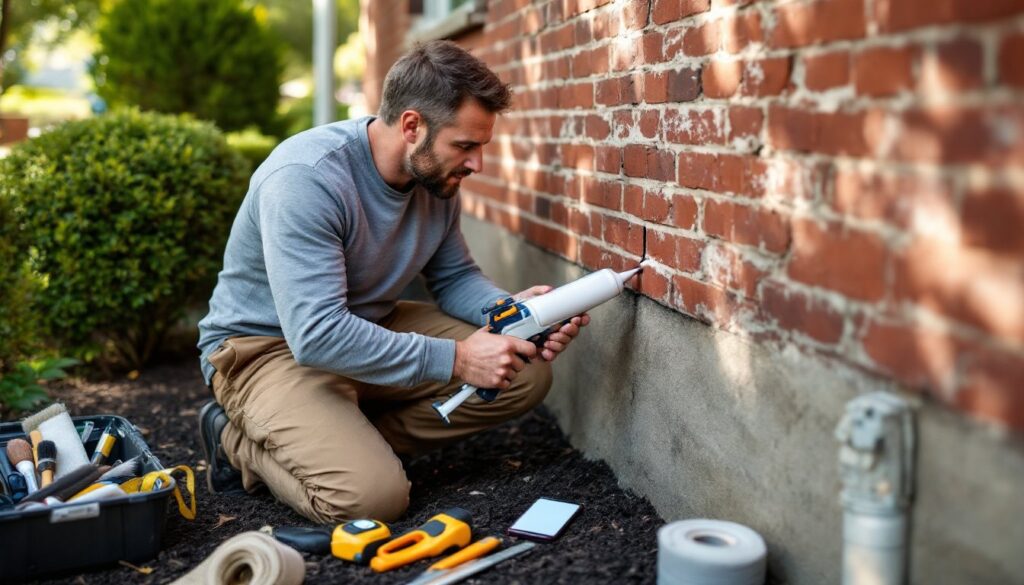
Load your caulking gun with latex caulk. Cut the caulk tube tip at a 45-degree angle to a diameter matching your gap width (usually 1/8 to 1/4 inch). Apply steady pressure on the trigger while moving smoothly along the gap. Overfill slightly: you’ll smooth it flush. Use a wet finger or caulking tool to press caulk into the gap and remove excess. This step-by-step approach follows proven methods outlined in professional guides like identifying and sealing cracks.
Let caulk cure per the product label (typically 24 hours) before painting or exposing it to water.
4. Seal Medium to Large Gaps (1/2 to 2 Inches) With Spray Foam
For larger voids around pipes or foundation cracks, spray foam is faster and more effective. Shake the can vigorously for 1–2 minutes. Spray in short bursts, filling only about 1/3 of the gap: foam expands significantly. Wait 30 minutes, then apply a second layer if needed. Once fully cured (check the label), trim excess foam with a utility knife and caulk the edges to seal the trim seams.
5. Install or Reinforce Vent Screens
Remove damaged or missing vent covers. Measure the opening and purchase a 1/4-inch hardware cloth screen of matching size. Secure it with small bolts, rivets, or outdoor-grade screws, adhesive alone won’t hold. If a vent screen is intact, inspect it under good light for holes or tears, especially in corners where rodents often chew.
6. Replace or Repair Weather Stripping
Remove old weather stripping by peeling it back slowly. Clean the door or window frame of adhesive residue with rubbing alcohol: let it dry. Measure the perimeter and install new stripping, pressing firmly as you go. For doors, focus on the bottom seal first, this is where rodents enter most often.
7. Address Foundation Cracks
Horizontal or vertical cracks wider than 1/4 inch should be sealed. For hairline cracks, caulk works. For larger cracks, consult a foundation specialist, structural cracks can indicate settling or water infiltration that requires professional assessment. If you’re confident the crack is cosmetic, clean it thoroughly and fill with polyurethane caulk or concrete crack sealant rated for exterior use. Six-step pest-proofing approaches emphasize addressing foundation cracks early before they widen.
8. Trim Vegetation
While not strictly sealing, trim tree branches and shrubs back from your home’s exterior. Rodents and insects use branches as highways to reach roof lines and second-story entry points. Maintain at least 2 feet of clearance from the siding.
Conclusion
Home sealing is preventative work that pays for itself through reduced pest problems and lower energy bills. The process is straightforward, identify gaps, choose the right material, and seal systematically. Most homeowners can complete this project in a weekend. Start with the foundation and doors (highest-priority entry points), then move to windows, vents, and utility penetrations. Sealing isn’t glamorous work, but it’s one of the most effective pest control strategies available. Do it right once, and you’ll rest easier knowing your home is genuinely protected.